
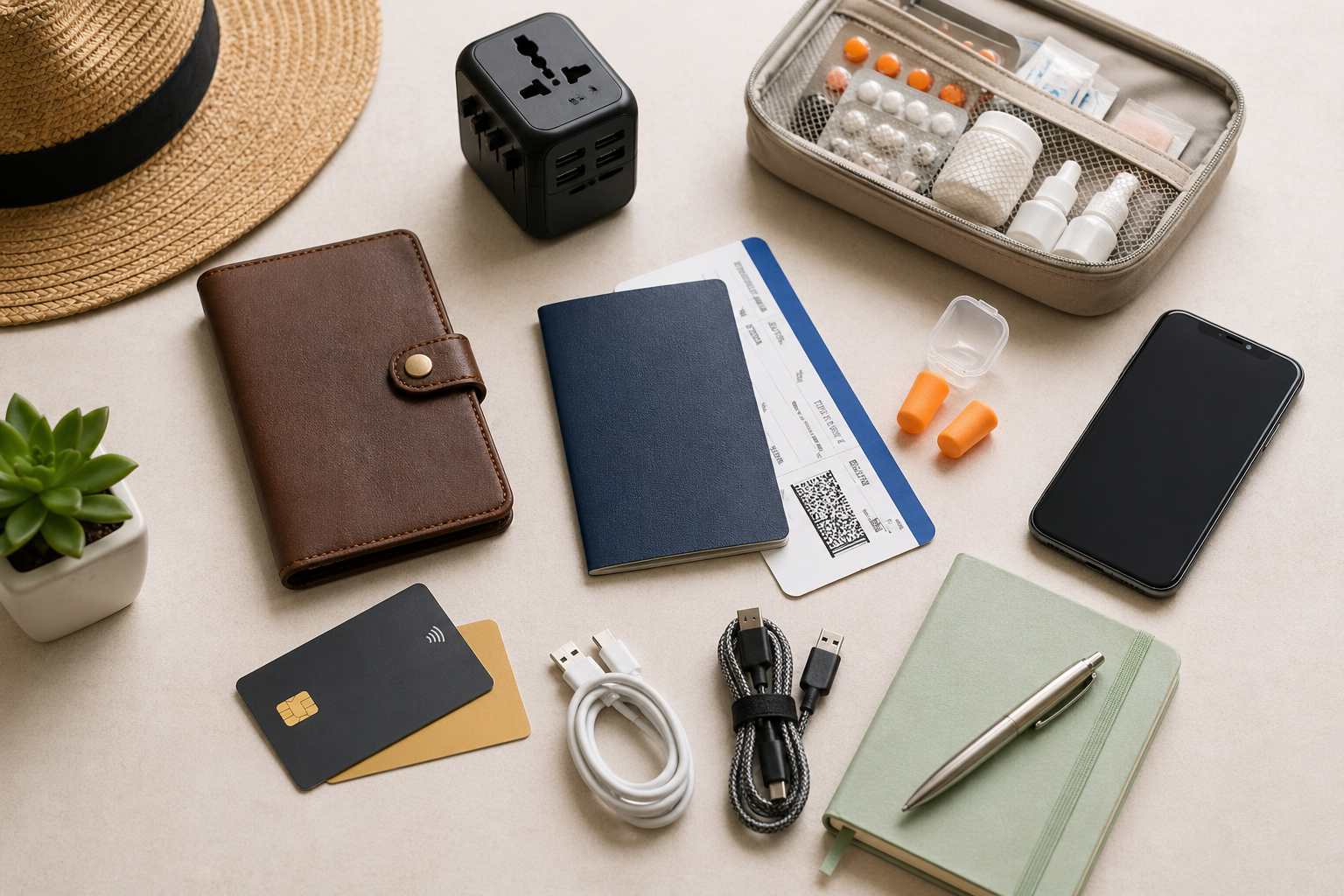

Essential International Travel Tips for Students and First-Time Travellers
Travelling abroad for the first time can feel exciting, but it can also feel overwhelming. Whether you are a student planning to study overseas, moving abroad for work, or visiting another country for the first time, good preparation can make your journey much smoother.
From passport checks and travel documents to money, medication, mobile data and local language tips, there are a few important things every international traveller should know before they fly.
This guide covers essential international travel tips to help you feel more confident, organised and prepared before your trip.
1. Check Your Passport Before You Travel
One of the most important things to check before travelling abroad is your passport validity. Many countries require your passport to be valid for at least six months beyond your travel dates.
Even if your passport has not expired yet, some destinations may refuse entry if it is too close to the expiry date. To avoid problems at the airport or border control, check your passport early and renew it in good time if needed.
As a general rule, it is safer to renew your passport several months before it expires, especially if you are planning long-haul travel, studying abroad or relocating for work.
2. Keep Your Hotel Details With You
When you arrive in a new country, you may not know the local area well. If you are staying in a hotel, keep the hotel name, address and contact number saved on your phone.
It is also useful to take a photo of the hotel business card or booking confirmation. This can help if you need to show a taxi driver, ask for directions or return to your hotel after exploring.
Having the address written in the local language can be especially helpful in countries where English is not widely spoken.
3. Organise Your Travel Documents
Before you travel, make sure all your important documents are easy to access. Keep digital copies on your phone and email, but also carry printed copies where possible.
Important documents to keep include:
- Passport
- Visa or entry documents
- Flight tickets
- Hotel booking confirmation
- Travel insurance
- Student or work documents
- Emergency contact details
- Local embassy or consulate information
For students travelling abroad, it is also useful to carry university acceptance letters, accommodation details and any required enrolment documents.
4. Choose the Right Travel Money Option
Using your bank card or credit card abroad can be convenient, but you should check the fees before you travel. Some banks charge foreign transaction fees, cash withdrawal fees or poor exchange rates when used overseas.
Before travelling, check:
- Foreign transaction fees
- ATM withdrawal charges
- Daily spending limits
- Exchange rates
- Whether your card works abroad
It may be worth using a travel-friendly card or prepaid travel money card. Always carry more than one payment method in case your main card is lost, blocked or not accepted.
5. Tell Your Bank Before You Travel
Some banks may block card transactions if they see payments from another country and suspect fraud. To avoid this, check whether your bank needs to know your travel dates before you leave.
Many banking apps now allow you to manage travel settings directly from your phone. Make sure your contact details are up to date so your bank can reach you if needed.
This is especially important if you are travelling for a longer period, studying abroad or relocating overseas.
6. Check Your Card and Payment Options
In many countries, contactless payments and chip-and-PIN cards are commonly used. Before travelling, make sure your bank card is suitable for international use.
It is also useful to carry a small amount of local currency for taxis, tips, markets or places that do not accept cards.
Do not rely on one card only. Carry a backup card and keep it separate from your main wallet in case of loss or theft.
7. Pack Essential Medication
When travelling abroad, always pack your medication and basic health essentials in your hand luggage. This is important in case your checked luggage is delayed or lost.
Useful items to pack include:
- Prescription medication
- Pain relief
- Allergy medication
- Antacids
- Plasters
- Contact lenses and solution
- Hand sanitiser
- Travel sickness tablets
- Eye mask and earplugs
If you take prescription medication, check whether it is allowed in your destination country. Some medicines may require a doctor’s letter or prescription copy.
8. Check Travel Advice Before You Go
Before travelling, check the latest travel advice for your destination. This can help you understand entry rules, safety guidance, local laws, health requirements and any travel warnings.
UK travellers should check official foreign travel advice before departure, especially for long-haul destinations, student travel, work relocation or countries with changing entry requirements.
It is also wise to save the contact details of the nearest British embassy, high commission or consulate in case you need help while abroad.
9. Take the Right Travel Adapters and Chargers
Different countries use different plug types and voltage levels. Before you travel, check which adapter you need for your destination.
A universal travel adapter is useful if you travel often or are visiting more than one country. You should also pack extra charging cables, especially for your phone, laptop, tablet, camera or power bank.
For students and workers moving abroad, having reliable chargers and adapters from day one can make settling in much easier.
10. Avoid Expensive Data Roaming Charges
Using your phone abroad without checking roaming charges can become expensive. Before travelling, check your mobile provider’s international roaming costs.
To avoid unexpected charges:
- Turn off data roaming if you do not need it
- Use Wi-Fi where available
- Buy a local SIM card if staying longer
- Consider an eSIM for short trips
- Download offline maps before you travel
For students and long-term travellers, a local SIM or international data plan may be more cost-effective.
11. Learn Basic Local Phrases
Learning a few basic phrases in the local language can make your trip easier and more enjoyable. Even simple words such as hello, thank you, please, help and directions can make a big difference.
This is especially useful when using taxis, shopping, ordering food or asking for help.
You do not need to become fluent before travelling, but making the effort shows respect and helps you feel more confident in a new country.
12. Plan Your First Few Days Carefully
When arriving in a new country, especially for study or work, the first few days can feel confusing. Plan your arrival properly so you are not stressed when you land.
Before departure, confirm:
- Airport transfer or transport route
- Hotel or accommodation address
- Check-in time
- Local emergency numbers
- Nearby shops, pharmacies and transport links
- First appointment, university or work start time
Having a clear plan for your first few days helps you settle in faster and avoid unnecessary pressure.
Final Thoughts
International travel can feel daunting at first, but good preparation makes a big difference. Checking your passport, organising documents, packing the right essentials, understanding money options and preparing your phone for travel can help you avoid common problems abroad.
Whether you are studying overseas, relocating for work or travelling internationally for the first time, planning ahead will help you feel more confident and ready for your journey.
Need Help Planning Your International Trip?
Orient Travel can help with flights, hotels, packages and travel planning support.
Tell us your:
- Destination
- Travel dates
- Number of passengers
- Budget
- Hotel or flight preference
Contact Orient Travel today and let us help you plan your next journey with confidence.
0 Comment